Understanding Business Operation Risks in Norway
- Aug 25, 2024
Risks Involved in Operating a Business in Norway
Operating a business in a foreign country, like Norway, can yield significant benefits, but it also presents its set of risks. As a thriving Scandinavian economy, Norway offers vast opportunities for business growth. However, companies must be aware of the risks involved in operating in this Nordic nation.
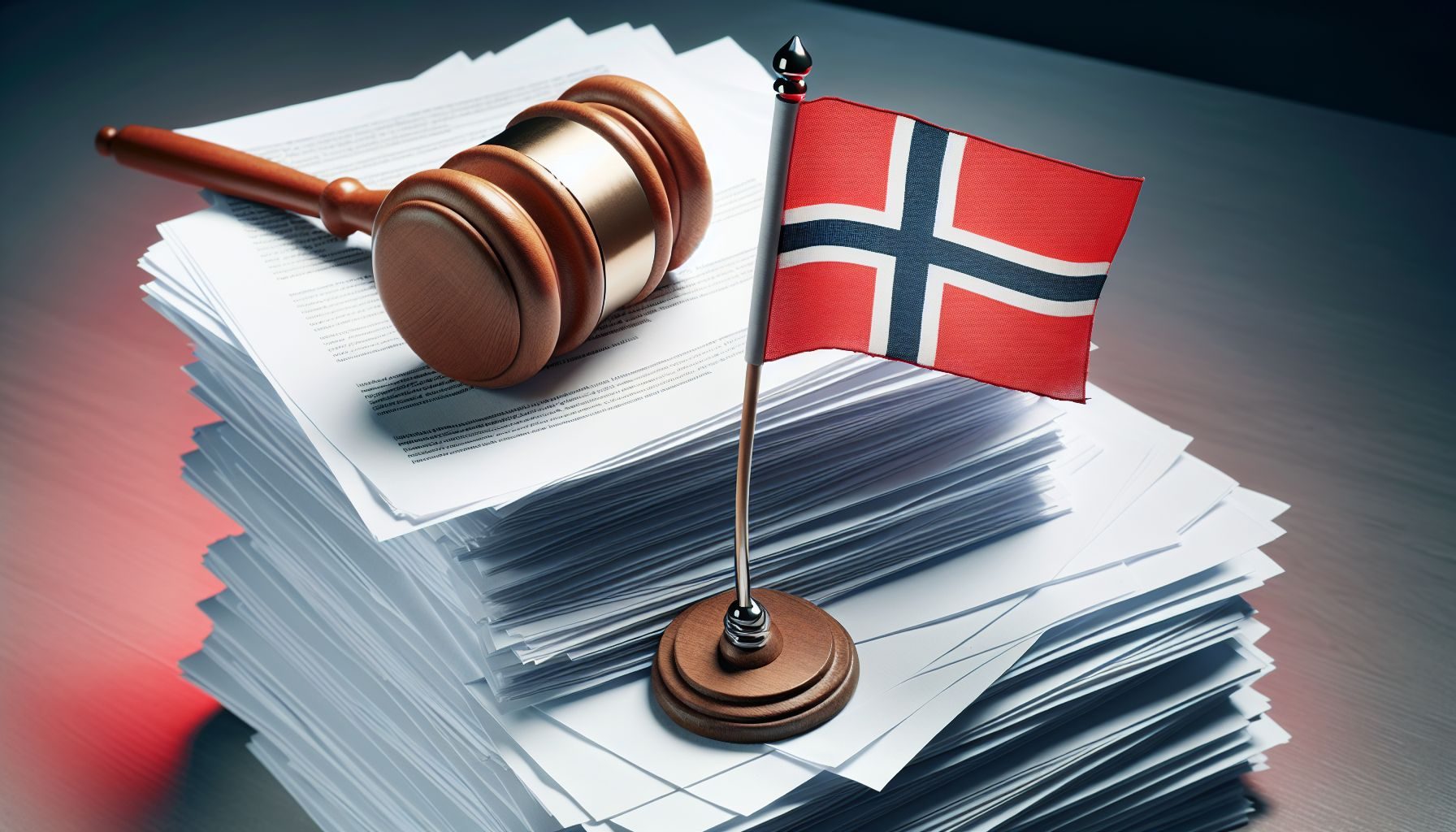
Regulatory Risks
Norway has stringent regulations in place, especially in relation to labor laws, environmental standards, and tax compliance. Non-adherence to these regulations can result in severe penalties and fines. Additionally, the administrative procedures involved in incorporating a business can be complex and time-consuming.
Economic Risks
Although Norway's economy is stable, it relies heavily on the energy sector, particularly oil and gas. Fluctuations in global energy prices can potentially impact business operations. Exchange rate risks can also pose a significant challenge, especially for businesses with transactions in multiple currencies.
Socio-cultural Risks
Language barriers and cultural differences can impact effective business communication in Norway. The Norwegian business culture values transparency, consensus decisions, and work-life balance, which may differ from the values of other international companies.

Effective Management of Business Risks in Norway
While the risks may appear daunting, with a robust risk management strategy, businesses can effectively manage them and succeed in the dynamic Norwegian market.
Understanding Regulatory Frameworks
Businesses must thoroughly understand the regulatory frameworks in Norway. Seeking professional advice, like the services offered by Grannville Consulting, can be a pivotal step in navigating these legal complexities.
Planning for Economic Uncertainties
Businesses should implement sound financial strategies to navigate economic uncertainties. This can involve hedging against exchange rate risks or diversifying the business portfolio to reduce dependency on the oil and gas sectors.
Embracing Socio-cultural Differences
Embracing the local culture and investing in local language education for overseas staff can bridge the cultural gap and promote better business relationships.

Comprehensive Risk Management
Taking a comprehensive approach with continuous risk assessment, adaptation, and mitigation strategies is essential. Businesses must also establish a contingency plan for any unforeseen circumstances or sudden change in regulations.
In conclusion, while Norway poses unique challenges for overseas businesses, with careful planning, keen understanding of the local landscape, and comprehensive risk strategies, these issues can be effectively managed and may open the door to vast business opportunities. Grannville Consulting offers tailored services to aid companies in managing potential uncertainties and ensuring the smooth operation of their businesses in Norway.
Warm Regards,
The Grannville Consulting Team